Attachment · high anxiety, high avoidance
Fearful-avoidant attachment: wanting closeness and distrusting it at once
Fearful-avoidant attachment is high on both research dimensions at once: strong fear of being left, and strong discomfort with depending on anyone. That combination produces the push-pull pattern, because the two strategies cancel each other. Reaching for closeness triggers the need to protect yourself from it, and pulling away triggers the fear of losing it. It is the least common of the four patterns and the most confusing to live inside, and it responds well to work aimed at the whiplash rather than at either half of it.
It is often described as wanting someone to come closer and needing them to stop at the same moment.

Komel Kaur
Psychologist + Executive Coach
M.A. Psychology
CBT and DBT trained psychologist
5 languages
English, Hindi, Punjabi, Urdu, Kashmiri
60-minute sessions
Online video, times shown on your own clock
No payment to request
Ask for a time first, pay once it is confirmed
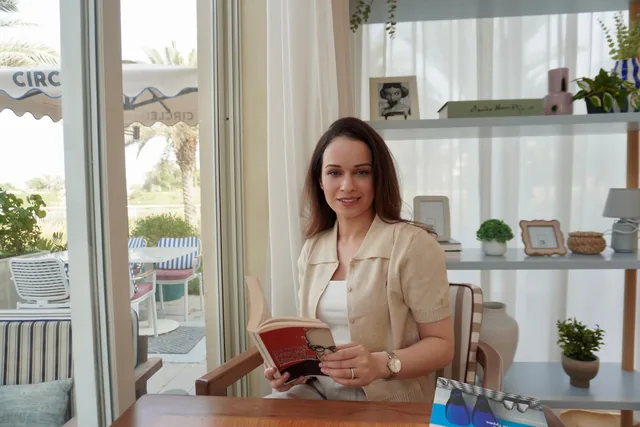
Reviewed by Komel Kaur, psychologist and executive coach, M.A. Psychology
Last reviewed 20 August 2026
Where this pattern sits
Score both dimensions, free
Free · 24 questions · both dimensions scored
Attachment style quiz
Scores attachment anxiety and avoidance out of 48 each, then names the style they add up to and what it does under conflict.
Take it free →Free · 15 questions · you alone
Relationship doubt self-check
Scores satisfaction, doubt, repair after conflict, respect and loneliness. Instant result, no sign-up.
Take it free →One page per attachment style
Secure attachment
Low anxiety, low avoidance. Closeness is available and depending on someone is not a risk.
Read the page →Anxious attachment
High anxiety, low avoidance. Closeness is wanted and distance reads as danger.
Read the page →Avoidant attachment
High avoidance. Closeness is wanted but depending on someone feels like exposure.
Read the page →Free · 15 questions · you alone
Relationship doubt self-check
Scores satisfaction, doubt, repair after conflict, respect and loneliness. Instant result, no sign-up.
Take the free check →USD 49 · both people answer
The two-sided couples tests
You each answer 44 questions privately, then get one joint report - attachment pairing, five dimensions side by side, and your three widest gaps.
Compare both tests →The push-pull is easiest to read as a pairing. The two-sided test scores both of you on the same dimensions and names the combination you are actually in.
Read the methodology: which research each question comes from →
The push-pull cycle, in order
Each move creates the trigger for the opposite move.
- Closeness is pursued hard, often intensely and quickly, because the fear of losing it is genuinely high.
- The closeness arrives, and with it the exposure of being depended on and depending.
- Distance is created to get relief: going flat, picking a fault, becoming busy, ending things.
- The distance triggers the abandonment fear that the pursuit was answering, so the reaching starts again.
- From outside it looks like changing your mind. From inside both halves are true at once, which is why it is exhausting rather than strategic.
How it differs from dismissive-avoidant
Same withdrawal, completely different aftermath.
A dismissive-avoidant person withdraws and feels better. A fearful-avoidant person withdraws, feels better for a few hours, and then feels worse than before they withdrew. The dread that follows the relief is the distinguishing feature, and it is the reason a single label is less useful here than the two scores.
It also gets confused with anxious attachment, because the reaching is loud and visible. The difference is what happens when the reaching succeeds. Anxious attachment settles when contact is restored. Fearful-avoidant attachment often finds restored contact harder than the distance was.
What do you want to do?
What tends to be underneath it
It is common where the source of comfort was also the source of unpredictability.
In adult attachment research this pattern is associated with early environments where closeness and threat were not separable: the same person who provided care was also the one whose reactions could not be predicted. Both strategies get learned, and neither becomes the default, so both fire.
It is also associated with adult experiences that broke the link between closeness and safety, including betrayal in a relationship that had felt secure. That matters practically, because a pattern acquired in adulthood usually moves faster than one that predates memory.
Worth saying plainly: none of the four styles is a diagnosis, and this one in particular gets used online as an explanation for behaviour that needs a different frame. If a relationship involves fear of your partner, contempt, or being controlled, that is a safety matter rather than an attachment finding, and the crisis resources on this site are the place to start.
What actually helps
Name the switch, slow it down, and stop making decisions inside it.
- Learn to recognise the switch as it happens. The moment worth catching is not the fear or the withdrawal, it is the flip between them.
- Do not make relationship decisions inside either state. What feels obviously correct at the top of the pull and at the top of the push are opposite conclusions.
- Announce the pause out loud, with a return time, the same way an avoidant pattern benefits from. Silent distance feeds your own fear as much as your partner's.
- Ask for closeness in smaller units. Intensity is what makes the retreat necessary; smaller and more frequent contact is easier to sustain.
- This is the pattern that benefits most from therapy rather than self-management, because the work is on the oscillation and it is hard to see from inside it.
Common questions
What is fearful-avoidant attachment?
It is the pattern that scores high on both dimensions adult attachment research measures: high attachment anxiety, meaning a strong fear of being left, together with high avoidance, meaning strong discomfort with depending on someone. The two strategies conflict, which produces the push-pull cycle.
Is fearful-avoidant the same as disorganised attachment?
In adult attachment research the terms are used near-interchangeably. Disorganised comes from the child literature, fearful-avoidant from the adult self-report literature, and both describe wanting closeness while treating it as unsafe.
Why do I push people away when I want them close?
Because both responses are switched on. The reaching answers the fear of losing someone; the pushing answers the exposure of being close. Neither is the real one and neither cancels the other, so they take turns. Catching the moment they swap is more useful than trying to argue with either.
How is fearful-avoidant different from dismissive-avoidant?
The aftermath. A dismissive-avoidant person withdraws and feels relief that lasts. A fearful-avoidant person withdraws, gets a few hours of relief, then feels worse than before, because the abandonment fear is also high. The free quiz separates the two by scoring anxiety and avoidance out of 48 each.
Can fearful-avoidant attachment be healed?
It can change, and the honest version is that it usually changes more slowly than anxious attachment and responds better to therapy than to self-help. What moves it is repeated experience that closeness does not have to be either total or absent, plus learning to recognise the switch between the two states before acting on it.
What kind of relationship is hardest for a fearful-avoidant person?
An unpredictable one, because unpredictability activates both dimensions simultaneously. Consistency is more useful than intensity here, and a partner who can offer a stated timeframe during conflict rather than either pressure or silence makes the biggest single difference.
How it works
Three steps, about five minutes.
No waiting list, no phone tag, no chasing a reply. You can have a time requested before you close this page, and nothing is paid until it is confirmed.
01
Pick a session and a time
Choose the session you want and a slot that suits you. Times are shown on your own clock, and evening slots are open.
02
Request it, no payment yet
Leave a few details and send the request. The slot is held for you while Komel confirms she is the right fit.
03
Confirm and get your Meet link
Komel sends a payment link for that session. Once it is paid, the Google Meet link lands in your inbox.
Sessions and pricing
Pick the session that fits, then a time.
Full session
60 minutes
USD 70USD 49
Your first session. USD 70 for sessions after that.
New client offerOne-off, no commitment
A complete therapy hour, one to one.
Book this →
Most chosen5-session plan
60 minutes
USD 49per session
Same price every time.
Save 30% per sessionPaid upfront, covers all five sessions
Five hours of real work at the lower rate the whole way through.
Book this →
Couples session
60 minutes, for two
USD 120USD 99
Your first session. USD 120 for sessions after that.
New client offerOne-off, no commitment
One hour with both partners on the same video call.
Book this →
From the practice
What Komel writes about, week to week.
When this is not the right fit
Komel is a psychologist and executive coach based in the UAE, working online worldwide. Sessions are private and self-funded, and cannot be claimed on local insurance or used for legal, medical or workplace reports. She does not prescribe or manage medication.
This is not an emergency service. If you are in immediate danger, use a local crisis line rather than a booking request. Her credentials and training and the full scope of practice are published.