Attachment · high avoidance, dismissive or fearful
Avoidant attachment: what it is, what it protects, and what shifts it
Avoidant attachment is high attachment avoidance: closeness is wanted but experienced as risky, so the reflex under pressure is to create distance and handle it alone. Dismissive-avoidant pairs high avoidance with low anxiety, so the withdrawal feels calm from the inside. Fearful-avoidant pairs high avoidance with high anxiety, which is why the same person can pull away and then panic about the distance. Neither is coldness. Both are protection, and both move when distance stops being the only available way to get relief.
Withdrawal is rarely a message. It is usually a reflex, and it becomes survivable for both people the moment it gets announced.

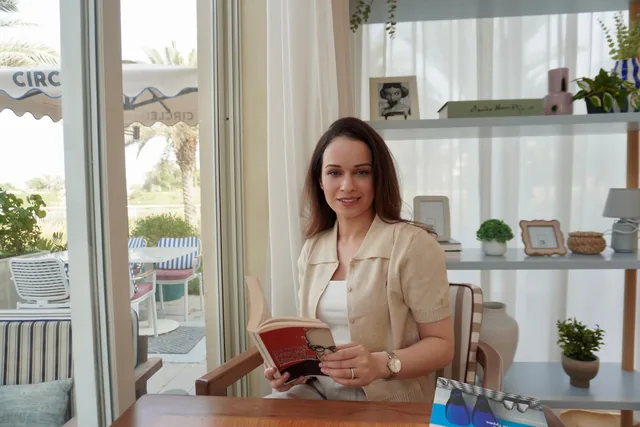
Komel Kaur
Psychotherapist + Executive Coach
M.A. Psychology
CBT and DBT trained psychotherapist
5 languages
English, Hindi, Punjabi, Urdu, Kashmiri
60-minute sessions
Online video, times shown on your own clock
No payment to request
Ask for a time first, pay once it is confirmed
Reviewed by Komel Kaur, psychotherapist and executive coach, M.A. Psychology
Last reviewed 20 August 2026
Where this pattern sits
Score both dimensions, free
Free · 24 questions · both dimensions scored
Attachment style quiz
Scores attachment anxiety and avoidance out of 48 each, then names the style they add up to and what it does under conflict.
Take it free →Free · 15 questions · you alone
Relationship doubt self-check
Scores satisfaction, doubt, repair after conflict, respect and loneliness. Instant result, no sign-up.
Take it free →One page per attachment style
Secure attachment
Low anxiety, low avoidance. Closeness is available and depending on someone is not a risk.
Read the page →Anxious attachment
High anxiety, low avoidance. Closeness is wanted and distance reads as danger.
Read the page →Fearful-avoidant attachment
High on both dimensions. Closeness is wanted and treated as unsafe at the same time.
Read the page →Free · 15 questions · you alone
Relationship doubt self-check
Scores satisfaction, doubt, repair after conflict, respect and loneliness. Instant result, no sign-up.
Take the free check →USD 49 · both people answer
The two-sided couples tests
You each answer 44 questions privately, then get one joint report - attachment pairing, five dimensions side by side, and your three widest gaps.
Compare both tests →The two-sided test scores both of you on the same dimensions and names the pairing, which is the part that explains the loop rather than either person.
Read the methodology: which research each question comes from →
What it looks like day to day
Under pressure, distance is the first move, and relief gets misread as evidence.
- Under pressure, distance is the first move: the room, the phone, a task, a flat tone.
- The relationship feels better after time apart, and that relief gets misread as evidence about the relationship rather than about the pattern.
- Needing something feels worse than not getting it, so requests get downgraded before they are made.
- Criticism lands as a verdict on the whole person, which makes conflict something to end rather than something to finish.
- Independence is not a preference to be argued out of. It is where the sense of safety lives.
What the other person experiences
Withdrawal reads as a decision about them, which is what starts the loop.
A partner on the receiving end usually reads withdrawal as a decision about them rather than a reflex about pressure. If they are anxiously attached, withdrawal is their single most alarming signal, so they escalate to restore contact, which raises the pressure and confirms the avoidant reflex.
That is the loop, and it is not a compatibility failure. It is two protective strategies triggering each other in a specific order, which means it can be interrupted at either point.
What do you want to do?
The changes that actually move it
Small and early beats large and late.
- Announce the exit. Saying you are flooded and will return in twenty minutes converts withdrawal from abandonment into a pause, and it is the highest-yield single change.
- Disclose small and early, not large and late. The pattern loosens through repeated low-cost honesty rather than one difficult conversation.
- Ask for the alone time out loud instead of taking it covertly. Granted solitude does not activate a partner; unexplained solitude does.
- For the other side: reduce the pursuit during the flood, and raise the request afterwards. Pressure at the wrong moment is what makes the door close harder.
Where avoidance is doing real work
The strategy earned its place. The cost is specific rather than general.
Avoidance is worth respecting rather than pathologising. It kept something manageable when there was no other option, and it usually comes with genuine strengths: composure in a crisis, self-sufficiency, an ability to keep functioning while feeling a lot.
The cost is specific rather than general. It is that the person closest to you experiences your worst moments as absence. Naming the mechanism, once, outside a fight, changes more than any amount of trying to feel differently.
Common questions
How do I know if I am avoidant?
The signal is what happens when a conversation gets emotionally close or tense: attention drops, the urge to leave the room arrives, and afterwards you feel better alone than you did together. The free attachment style quiz scores avoidance and anxiety separately out of 48 each, which distinguishes dismissive-avoidant from fearful-avoidant rather than lumping them together.
What is the difference between dismissive-avoidant and fearful-avoidant?
Dismissive-avoidant is high avoidance with low anxiety: independence feels genuinely comfortable, and distance brings relief without much aftermath. Fearful-avoidant is high on both dimensions: distance brings relief and then dread, which produces the on-off pattern of pulling away and then reaching back.
Why does my avoidant partner go quiet?
Usually because they are flooded, not indifferent. Physiological arousal during conflict rises fast and the reflex learned early was to shut it down alone. From the inside it is not a punishment or a strategy; from the outside it looks exactly like being abandoned mid-sentence, which is why it needs to be named in advance rather than during.
What causes avoidant attachment?
The developmental account is care where emotional need was met with discomfort, irritation or absence, so self-reliance became the safer setting. It can also be reinforced in adulthood by a relationship where expressing need reliably produced conflict or criticism.
Can avoidant attachment change?
Yes, more slowly than anxious attachment and through a different route. What moves it is repeated evidence that closeness does not cost autonomy: small disclosures that are not punished, requests that can be declined, and time alone that is granted rather than fought over. The single most useful change is announcing the withdrawal instead of just performing it.
Do avoidant people fall in love?
Yes, and they often describe the early stage as easier than the middle - because that is where the closeness starts requiring something. What tends to be misread as loss of interest is frequently the pattern activating precisely because the relationship became real.
How it works
Three steps, about five minutes.
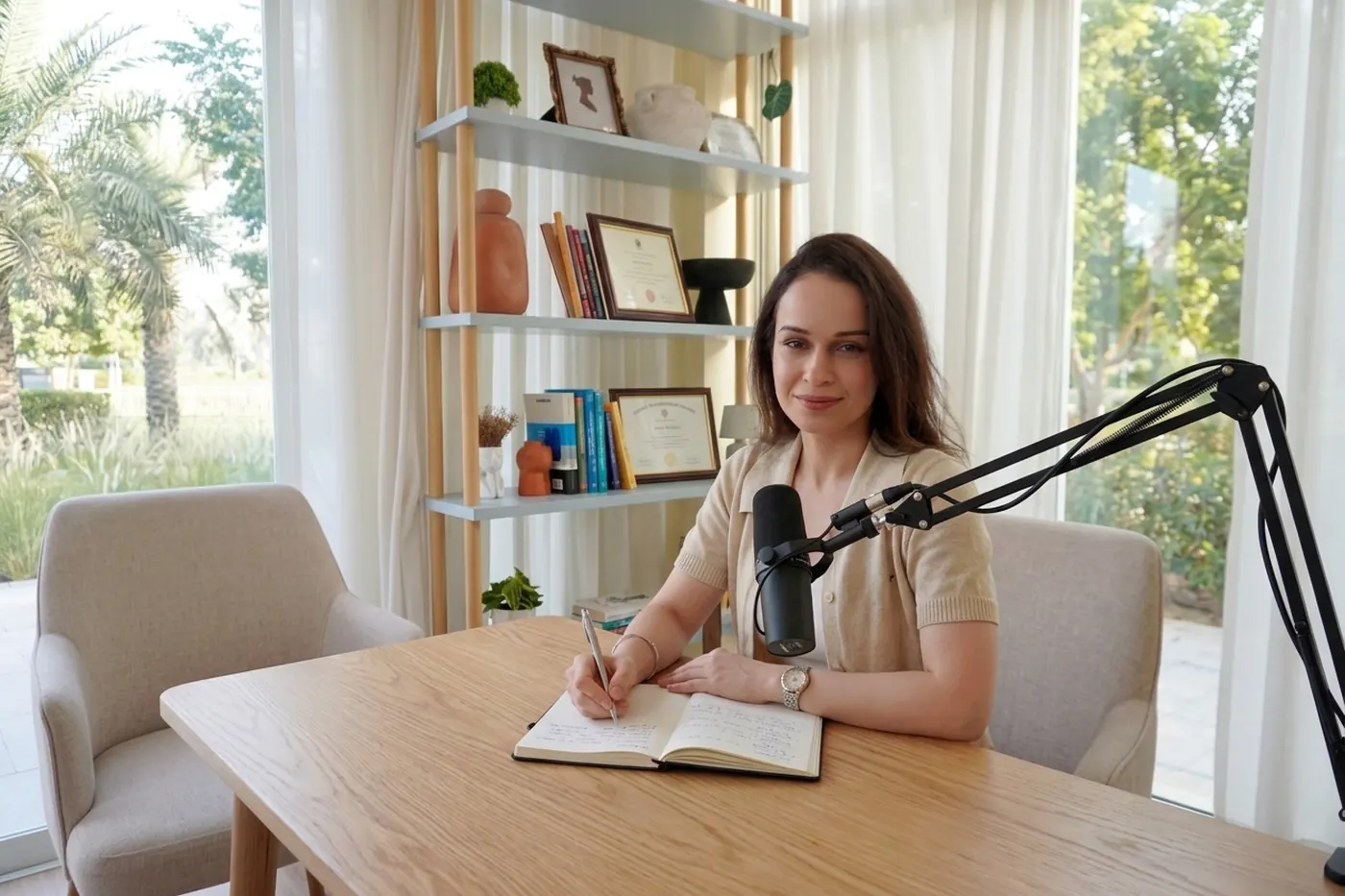
No waiting list, no phone tag, no chasing a reply. You can have a time requested before you close this page, and nothing is paid until it is confirmed.
01
Pick a session and a time
Choose the session you want and a slot that suits you. Times are shown on your own clock, and evening slots are open.
02
Request it, no payment yet
Leave a few details and send the request. The slot is held for you while Komel confirms she is the right fit.
03
Confirm and get your Meet link
Komel sends a payment link for that session. Once it is paid, the Google Meet link lands in your inbox.
Sessions and pricing
Pick the session that fits, then a time.
Full session
60 minutes
USD 70USD 49
Your first session. USD 70 for sessions after that.
New client offerOne-off, no commitment
A complete therapy hour, one to one.
Book this →
Most chosen5-session plan
60 minutes
USD 49per session
Same price every time.
Save 30% per sessionNothing upfront, pay one session at a time
Five hours of real work at the lower rate the whole way through.
Book this →
Couples session
60 minutes, for two
USD 120USD 99
Your first session. USD 120 for sessions after that.
New client offerOne-off, no commitment
One hour with both partners on the same video call.
Book this →
From the practice
What Komel writes about, week to week.
When this is not the right fit
Komel is a psychotherapist and executive coach based in the UAE, working online worldwide. Sessions are private and self-funded, and cannot be claimed on local insurance or used for legal, medical or workplace reports. She does not prescribe or manage medication.
This is not an emergency service. If you are in immediate danger, use a local crisis line rather than a booking request. Her credentials and training and the full scope of practice are published.