Attachment · high anxiety, low avoidance
Anxious attachment: what it is, how it behaves, and what changes it
Anxious attachment is high attachment anxiety with low avoidance: closeness is wanted, and any sign of distance reads as a threat that has to be resolved now. It is not neediness or a character flaw. It is a nervous system that learned availability was unpredictable, so it monitors the relationship closely and pushes for reassurance the moment something feels off. It is also one of the more changeable patterns, because what shifts it is repeated experience of a partner who stays reachable during conflict.
The tell is not how much closeness you want. It is what a small distance does to you.

Komel Kaur
Psychotherapist + Executive Coach
M.A. Psychology
CBT and DBT trained psychotherapist
5 languages
English, Hindi, Punjabi, Urdu, Kashmiri
60-minute sessions
Online video, times shown on your own clock
No payment to request
Ask for a time first, pay once it is confirmed
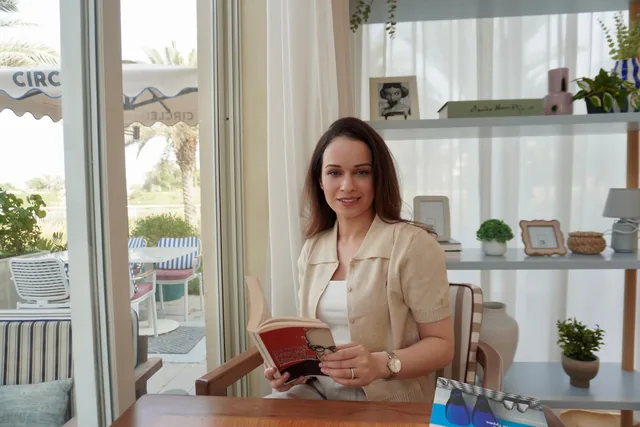
Reviewed by Komel Kaur, psychotherapist and executive coach, M.A. Psychology
Last reviewed 20 August 2026
Where this pattern sits
Score both dimensions, free
Free · 24 questions · both dimensions scored
Attachment style quiz
Scores attachment anxiety and avoidance out of 48 each, then names the style they add up to and what it does under conflict.
Take it free →Free · 15 questions · you alone
Relationship doubt self-check
Scores satisfaction, doubt, repair after conflict, respect and loneliness. Instant result, no sign-up.
Take it free →One page per attachment style
Secure attachment
Low anxiety, low avoidance. Closeness is available and depending on someone is not a risk.
Read the page →Avoidant attachment
High avoidance. Closeness is wanted but depending on someone feels like exposure.
Read the page →Fearful-avoidant attachment
High on both dimensions. Closeness is wanted and treated as unsafe at the same time.
Read the page →Free · 15 questions · you alone
Relationship doubt self-check
Scores satisfaction, doubt, repair after conflict, respect and loneliness. Instant result, no sign-up.
Take the free check →USD 49 · both people answer
The two-sided couples tests
You each answer 44 questions privately, then get one joint report - attachment pairing, five dimensions side by side, and your three widest gaps.
Compare both tests →The two-sided test scores both of you on the same attachment dimensions and reports the pairing, which is the part neither of you can see alone.
Read the methodology: which research each question comes from →
What it looks like day to day
The pattern is vigilance, and it feels like information rather than fear.
- A delayed reply gets read as a verdict, and the reading feels like information rather than fear.
- Conflict is preferable to distance. Being argued with is survivable; being unreachable is not.
- Reassurance works, and then wears off, because the reassurance answered the sentence and not the alarm.
- You know more about the state of the relationship than your partner does, because you have been tracking it continuously.
- Small tests appear instead of requests: going quiet to see whether they notice, mentioning something to see how they react.
What it looks like from the other side
Partners rarely hear a request for contact. They hear a test they keep failing.
Partners rarely experience it as love-seeking; they experience it as a test they keep failing. That gap is where most of the damage happens, because the anxious partner is asking for contact and the other person is hearing an accusation.
Naming it changes the conversation more than managing it does. A partner told plainly that distance reads as danger can offer a timeframe instead of a defence, and a timeframe is what actually settles the system.
What do you want to do?
The two changes that do the work
One change on each side, rather than one person trying harder.
- For the anxious side: put words to the feeling before acting on it, and convert tests into requests. Saying you felt dropped this evening and would like ten minutes beats going quiet to see whether they notice.
- For the other side: give a return time. Withdrawal without a timeframe is the exact trigger; withdrawal with one is usually tolerable.
- For both: pick the moment. Nothing about a pattern gets renegotiated inside the argument it produced.
Where it comes from, and why that matters less than you think
The origin explains the reaction. The present relationship is what changes it.
Attachment patterns are usually traced to inconsistent early availability, and that account is useful for making sense of the reaction rather than for changing it. Adult patterns are also updated by adult relationships, in both directions.
Which means the practical question is not what happened, but what the relationship is teaching your nervous system now. A partner who stays reachable during conflict lowers attachment anxiety over months, which is why the pattern is treated as a description of the present rather than a permanent type.
Common questions
How do I know if I have anxious attachment?
The marker is not how much you want closeness, it is what a small distance does to you. Anxious attachment shows up as a spike of alarm at a slow reply, a flat tone, or a partner needing an evening alone, followed by an urge to fix it immediately. The free attachment style quiz scores attachment anxiety and avoidance separately out of 48 each, which is more informative than a single label.
What causes anxious attachment?
The developmental account is inconsistent availability: care that arrived sometimes and not others, so vigilance became the reasonable strategy. Adult relationships add to it. Infidelity, an unexplained ending, or a long relationship with an unreachable partner can raise attachment anxiety in someone who did not score high before.
Is anxious attachment the same as anxiety?
No, though they often travel together. Generalised anxiety is broad and context-free. Attachment anxiety is specific to closeness and usually quiets when the relationship feels secure. If worry is also loud about work, health, money and the future, that is worth screening separately - the free GAD-7 covers it.
Can anxious attachment be changed?
Yes, and it is among the more responsive patterns. Two things move it: repeated experience of a partner who stays present during conflict rather than withdrawing, and learning to name the feeling before acting on it - saying that you felt dropped, instead of testing whether you were. Therapy accelerates both, particularly when the pattern predates the current relationship.
What kind of partner is hardest for anxious attachment?
An avoidant one, because withdrawal is precisely the trigger. The pursue-withdraw loop that follows is the most common distress pattern in couples work. It is breakable, but it needs both sides to change one move each rather than one person trying harder.
How do I stop being anxious in a relationship?
Not by suppressing the signal. The reliable route is to slow the gap between the feeling and the action: notice the alarm, name it as a feeling rather than a fact about the relationship, and make a specific request instead of a test. Partners can help enormously by giving a timeframe rather than only reassurance - saying when they will be back in the conversation.
How it works
Three steps, about five minutes.
No waiting list, no phone tag, no chasing a reply. You can have a time requested before you close this page, and nothing is paid until it is confirmed.
01
Pick a session and a time
Choose the session you want and a slot that suits you. Times are shown on your own clock, and evening slots are open.
02
Request it, no payment yet
Leave a few details and send the request. The slot is held for you while Komel confirms she is the right fit.
03
Confirm and get your Meet link
Komel sends a payment link for that session. Once it is paid, the Google Meet link lands in your inbox.
Sessions and pricing
Pick the session that fits, then a time.
Full session
60 minutes
USD 70USD 49
Your first session. USD 70 for sessions after that.
New client offerOne-off, no commitment
A complete therapy hour, one to one.
Book this →
Most chosen5-session plan
60 minutes
USD 49per session
Same price every time.
Save 30% per sessionNothing upfront, pay one session at a time
Five hours of real work at the lower rate the whole way through.
Book this →
Couples session
60 minutes, for two
USD 120USD 99
Your first session. USD 120 for sessions after that.
New client offerOne-off, no commitment
One hour with both partners on the same video call.
Book this →
From the practice
What Komel writes about, week to week.
When this is not the right fit
Komel is a psychotherapist and executive coach based in the UAE, working online worldwide. Sessions are private and self-funded, and cannot be claimed on local insurance or used for legal, medical or workplace reports. She does not prescribe or manage medication.
This is not an emergency service. If you are in immediate danger, use a local crisis line rather than a booking request. Her credentials and training and the full scope of practice are published.