Teen mental health · online video sessions
Is my teen struggling?
Adolescence is already intense. When low mood, anxiety, or withdrawal last for weeks, it's worth paying attention. Many parents wonder whether what they're seeing is 'just hormones' or something more.
Want a read on where you are first? Take the free PHQ-A self-test.

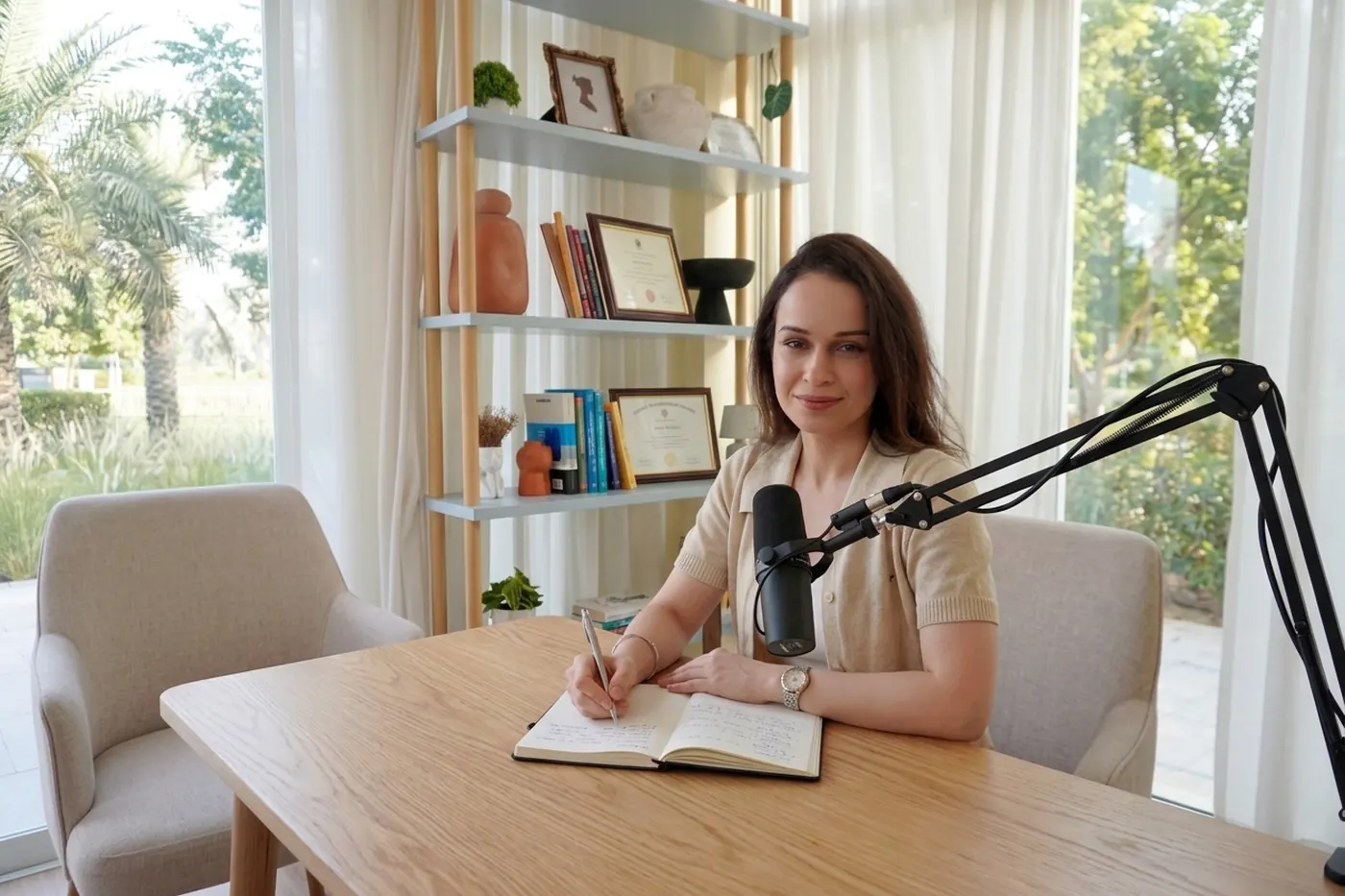
Komel Kaur
Psychologist + Executive Coach
M.A. Psychology
CBT and DBT trained psychologist
5 languages
English, Hindi, Punjabi, Urdu, Kashmiri
60-minute sessions
Online video, times shown on your own clock
No payment to request
Ask for a time first, pay once it is confirmed

Reviewed by Komel Kaur, psychologist and executive coach, M.A. Psychology
Last reviewed 20 August 2026
What it can feel like
Teens don't always say 'I'm struggling.' Sometimes it shows up as anger, silence, falling grades, or a retreat into their room. The shift from 'normal teen moodiness' to something concerning is usually about duration, intensity, and how much it interferes with daily life.
If you're a parent reading this because something feels off, trust that instinct. Getting information is a good next step - and a screener can help you decide whether professional support makes sense.
Common signs
- ·Persistent low mood or irritability
- ·Withdrawal from friends, family, or activities they used to enjoy
- ·Big changes in sleep or appetite
- ·Drop in academic performance or motivation
- ·Increased irritability or emotional outbursts
- ·Loss of interest in hobbies or future plans
- ·Risky or self-destructive behavior
- ·Talking about feeling worthless or hopeless
Start with a free self-check
The screeners below are the same ones used in clinics worldwide. They're free, private, and take a few minutes. Your results appear on screen immediately.
Teen mental health · Primary screener
Teen Depression Self-Test
The PHQ-A - depression screener adapted for adolescents (11-17). About 3 minutes.
What support for teens looks like
I work with parents and, where appropriate, with teens directly to understand what's going on beneath the surface. The goal is clarity, connection, and a plan that feels workable for the whole family.
- ●Understanding whether symptoms are typical teen stress or something more
- ●Evidence-based screeners for anxiety and depression
- ●Parent guidance and support sessions
- ●Referrals to specialists when needed
When school is the problem: bullying and racism
For Indian and South Asian families abroad, a lot of what looks like anxiety or a sudden drop in mood starts at school: comments about a name nobody will learn to say, food that smells wrong to someone, hair, skin, an accent, a religion used as a punchline. Most children do not report it. They go quiet, stop wanting to go in, or start asking to be someone else.
The instinct at home is often to tell them to work harder and let it pass, because that is what worked for the generation before. It rarely works now, and it teaches a teenager that their read on the situation cannot be trusted. Sessions do three things: make sure your teenager is believed, treat what it has already cost them in sleep, confidence and anger, and give you a plan for the school that is specific rather than a complaint.
More on this: therapy for racism, bullying and everyday microaggressions.
Common questions
Which self-test is right for my teen?
It depends on what you're noticing. The PHQ-A is a depression screener designed for adolescents. The SCARED measures anxiety in children and teens. The SDQ looks at broader emotional and behavioral difficulties. You can start with whichever concern is most present.
Can my teen take the test alone?
The youth-report versions are designed for teens to complete themselves. The parent-report versions ask you to reflect on what you've observed. Both can be useful.
Is a high score a diagnosis?
No. These are screening tools, not diagnoses. A higher score means it's worth speaking with a mental health professional who can do a fuller assessment.
Do you work directly with teens?
I can work with older teens directly, depending on the situation. I also offer parent-consultation sessions to help you figure out the right next step for your family.
How it works
Three steps, about five minutes.
No waiting list, no phone tag, no chasing a reply. You can have a time requested before you close this page, and nothing is paid until it is confirmed.
01
Pick a session and a time
Choose the session you want and a slot that suits you. Times are shown on your own clock, and evening slots are open.
02
Request it, no payment yet
Leave a few details and send the request. The slot is held for you while Komel confirms she is the right fit.
03
Confirm and get your Meet link
Komel sends a payment link for that session. Once it is paid, the Google Meet link lands in your inbox.
Sessions and pricing
Pick the session that fits, then a time.
Full session
60 minutes
USD 70USD 49
Your first session. USD 70 for sessions after that.
New client offerOne-off, no commitment
A complete therapy hour, one to one.
Book this →
Most chosen5-session plan
60 minutes
USD 49per session
Same price every time.
Save 30% per sessionPaid upfront, covers all five sessions
Five hours of real work at the lower rate the whole way through.
Book this →
Couples session
60 minutes, for two
USD 120USD 99
Your first session. USD 120 for sessions after that.
New client offerOne-off, no commitment
One hour with both partners on the same video call.
Book this →
From the practice
What Komel writes about, week to week.
When this is not the right fit
Komel is a psychologist and executive coach based in the UAE, working online worldwide. Sessions are private and self-funded, and cannot be claimed on local insurance or used for legal, medical or workplace reports. She does not prescribe or manage medication.
This is not an emergency service. If you are in immediate danger, use a local crisis line rather than a booking request. Her credentials and training and the full scope of practice are published.