Trauma and PTSD · online video sessions
Could this be trauma?
Trauma isn't only what happened to you - it's also how your nervous system still responds. Intrusive memories, hypervigilance, and avoidance can linger long after the event itself is over.
Want a read on where you are first? Take the free PCL-5 self-test.

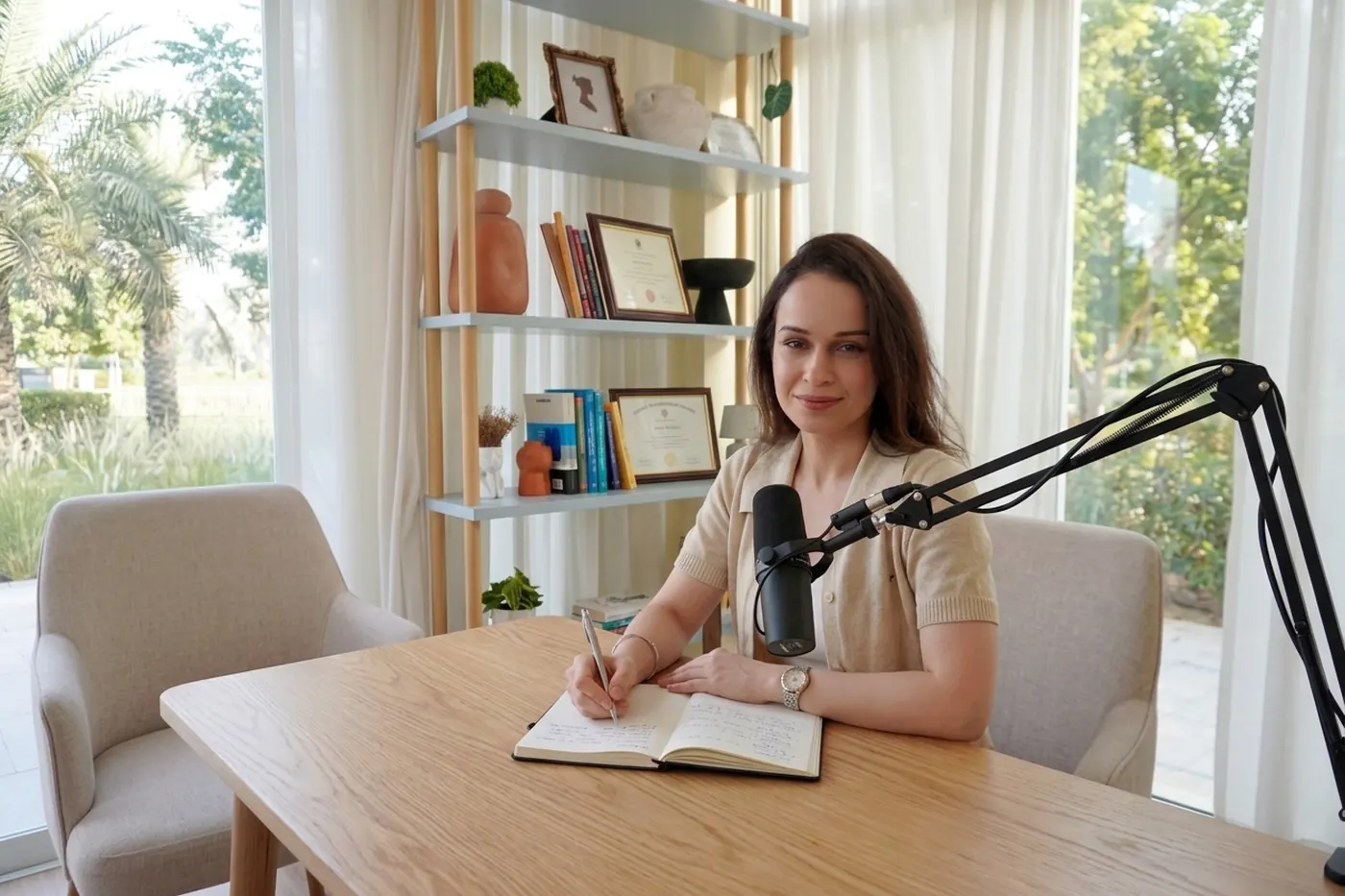
Komel Kaur
Psychologist + Executive Coach
M.A. Psychology
CBT and DBT trained psychologist
5 languages
English, Hindi, Punjabi, Urdu, Kashmiri
60-minute sessions
Online video, times shown on your own clock
No payment to request
Ask for a time first, pay once it is confirmed

Reviewed by Komel Kaur, psychologist and executive coach, M.A. Psychology
Last reviewed 20 August 2026
What it can feel like
Trauma can come from a single event or from years of smaller wounds. It can leave you feeling like the world is unsafe, like your body is betraying you, or like parts of your life are frozen in time.
You don't need a specific diagnosis to deserve support. If something from your past is still affecting your present, therapy can help your nervous system process it safely.
Common signs
- ·Intrusive memories, nightmares, or flashbacks
- ·Avoiding reminders of what happened
- ·Negative changes in mood or beliefs about yourself or the world
- ·Feeling detached or emotionally numb
- ·Hypervigilance or being easily startled
- ·Difficulty sleeping or concentrating
- ·Strong physical reactions to reminders
- ·Guilt, shame, or self-blame that feels disproportionate
Start with a free self-check
The screeners below are the same ones used in clinics worldwide. They're free, private, and take a few minutes. Your results appear on screen immediately.
Trauma and PTSD · Primary screener
Trauma & PTSD Self-Test
The standard 20-item PTSD checklist used by clinicians and the VA. About 5 minutes.
What trauma therapy looks like
I work with adults to process difficult experiences at a pace that feels safe. The goal isn't to force you to talk about details before you're ready; it's to reduce the power the past holds over your present.
- ●Trauma-informed, paced approach to difficult memories
- ●Grounding and regulation techniques for the body
- ●Understanding triggers and building safety
- ●Rebuilding trust in yourself and your relationships
Related reading
Trauma
The Body Keeps a Calendar: Anniversary Reactions and Trauma Memory
How implicit memory works, why trauma anniversaries hit the body before the mind, and what can ease them.
Trauma
People-Pleasing as a Trauma Response: The Fawn Reflex
Why chronic people-pleasing is better understood as a trauma response than as a personality trait - and how to begin to take up space.
Common questions
Is the PCL-5 a diagnosis?
No. The PCL-5 is a screening tool that measures how much trauma-related symptoms have been affecting you over the last month. A higher score suggests it's worth speaking with a mental health professional; it does not diagnose PTSD on its own.
How long does the trauma test take?
The PCL-5 has twenty questions and takes most people about five minutes. You get your results on screen immediately, and you can choose to have them emailed to you.
Do I have to talk about what happened in detail?
No. Trauma therapy is paced by you. We focus on building safety and regulation first, and we only go into details when and if you feel ready.
Can trauma therapy be done online?
Yes. Online trauma therapy can be effective, provided you have a private space where you won't be interrupted. We'll make sure you have grounding tools in place before doing deeper work.
How it works
Three steps, about five minutes.
No waiting list, no phone tag, no chasing a reply. You can have a time requested before you close this page, and nothing is paid until it is confirmed.
01
Pick a session and a time
Choose the session you want and a slot that suits you. Times are shown on your own clock, and evening slots are open.
02
Request it, no payment yet
Leave a few details and send the request. The slot is held for you while Komel confirms she is the right fit.
03
Confirm and get your Meet link
Komel sends a payment link for that session. Once it is paid, the Google Meet link lands in your inbox.
Sessions and pricing
Pick the session that fits, then a time.
Full session
60 minutes
USD 70USD 49
Your first session. USD 70 for sessions after that.
New client offerOne-off, no commitment
A complete therapy hour, one to one.
Book this →
Most chosen5-session plan
60 minutes
USD 49per session
Same price every time.
Save 30% per sessionPaid upfront, covers all five sessions
Five hours of real work at the lower rate the whole way through.
Book this →
Couples session
60 minutes, for two
USD 120USD 99
Your first session. USD 120 for sessions after that.
New client offerOne-off, no commitment
One hour with both partners on the same video call.
Book this →
From the practice
What Komel writes about, week to week.
When this is not the right fit
Komel is a psychologist and executive coach based in the UAE, working online worldwide. Sessions are private and self-funded, and cannot be claimed on local insurance or used for legal, medical or workplace reports. She does not prescribe or manage medication.
This is not an emergency service. If you are in immediate danger, use a local crisis line rather than a booking request. Her credentials and training and the full scope of practice are published.